
I’m doing the same workouts—why do they feel harder?
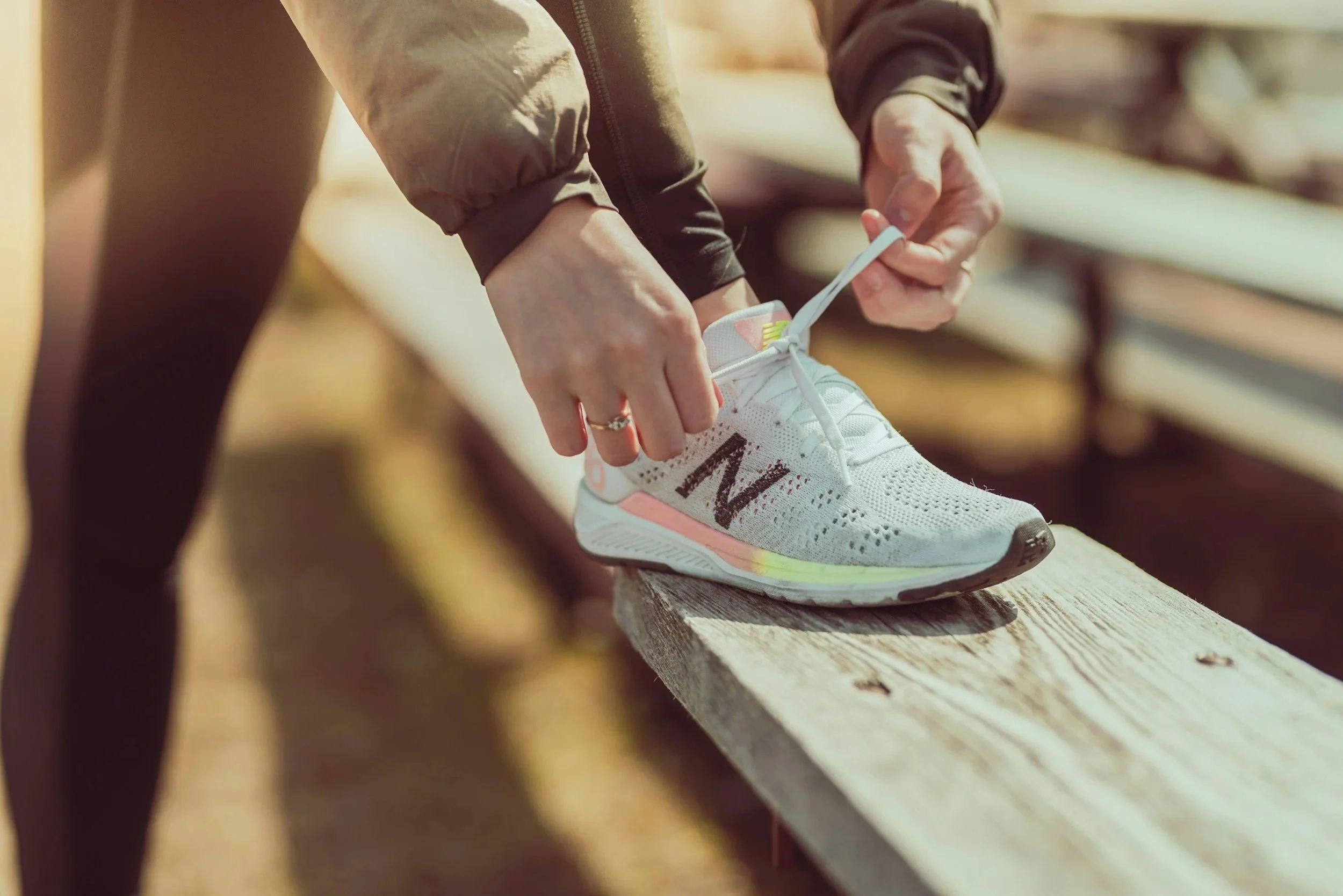
I was recently talking with a woman in her early 40s who said:
“I’m still running—but I feel like I hit a wall earlier than I used to.”
She wasn’t doing less.
She wasn’t out of shape.
But something felt different.
I hear this often—and it brings up a frustrating question:
If exercise is so important in this stage of life… why does it suddenly feel harder?
This isn’t in your head
Many women are told:
“Keep exercising”
“Strength train more”
“This is just aging”
But that doesn’t match what they’re experiencing.
Because for many women, workouts don’t just feel slightly harder—they feel different.
Two things can be true at the same time:
Exercise becomes more important in midlife:
• supports mood, sleep, metabolism, cardiovascular, muscle, and bone health.
And at the same time, many women notice:
they fatigue earlier
recovery takes longer
the same workout feels harder
That’s not a contradiction.
It reflects real changes in how the body responds during this phase.
What’s changing
In your 40s, many women enter perimenopause—a time when hormones fluctuate rather than decline in a steady way.
Early changes often include:
lower and less consistent progesterone
estrogen levels that rise and fall unpredictably
gradual shifts in testosterone
These shifts can affect:
Energy and endurance
Changes in how your body uses fuel can make the same workout feel harderMuscle recovery
Hormonal variability can impact how quickly your body repairs after exerciseSleep
Even subtle disruptions can affect performance and recoveryPerceived exertion
Workouts may feel more taxing, even if your fitness hasn’t changed
There are often additional contributors as well:
iron levels
thyroid function
stress and recovery patterns
nutrition
It’s rarely just one thing.
It’s not about pushing harder
The instinct is often:
“I just need to push through it.”
But more effort isn’t always the answer.
Often what’s needed is:
a different balance of intensity
more attention to recovery
understanding what your body needs now
When it’s worth looking deeper
If you’re noticing:
a relatively quick shift
a mismatch between effort and output
persistent fatigue or poor recovery
…it may be worth looking a little closer.
Some of the factors that can play a role include:
hormones
iron levels
thyroid function
sleep
stress
nutrition
It’s often a combination—not just one cause.
Exercise is still one of the most powerful tools for your health in midlife. But if it feels different, there’s usually a reason—and understanding that can make a meaningful difference in how you feel.
If this sounds familiar, and you’d like to talk more, start by contacting me here:
This information is for educational purposes only and is not a substitute for personalized medical care. If you have concerns about your health, please speak with your healthcare provider.
